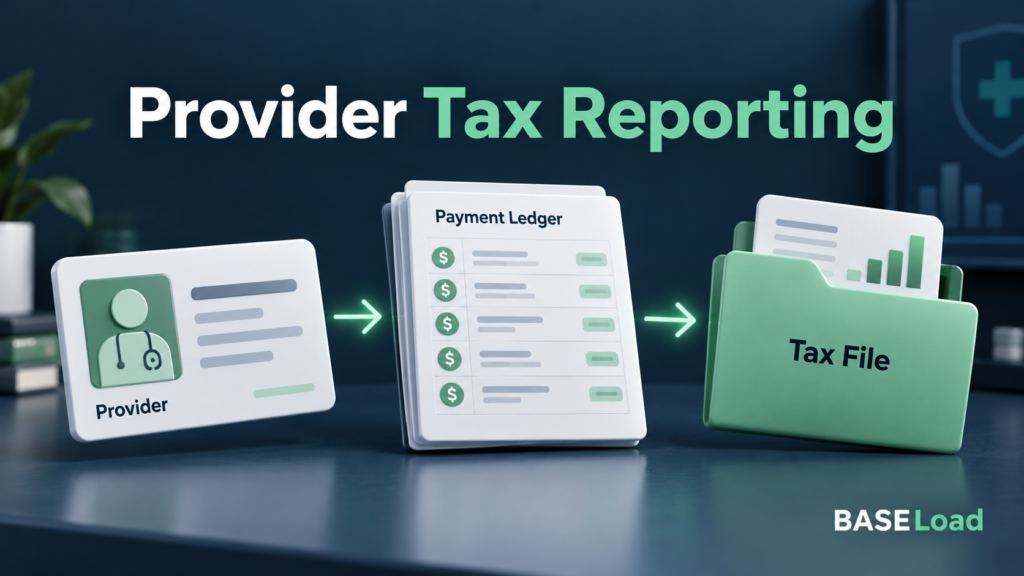



Health plan payer tax reporting requires coordination across teams that rarely own the entire process. Claims operations knows the payment systems. Provider relations manages outreach. Finance reconciles amounts. Tax determines reporting treatment. Technology supports the export and filing route. Problems arise when each team completes its own task but no one verifies that the handoffs form one complete process.
For payer-side 1099 reporting, a useful readiness checklist should make those connections explicit. It should identify the reporting entity, approved recipient information, payment population, filing channel, recipient-delivery process, and follow-up owner. This article provides a framework for organizing that work without treating software access as the only measure of readiness.
Clarify what this checklist covers
This guide addresses information reporting associated with provider and other reportable payments. Health plans may also have coverage-reporting, payroll, corporate tax, and state obligations that require separate workflows. Do not treat a 1099 project as a complete inventory of every tax responsibility connected with a health plan.
The IRS guide to information returns helps distinguish forms by payment or reporting category. Your tax team should approve the form inventory for each entity. Use that inventory as the basis for assigning owners and deadlines, rather than allowing the capabilities of an existing software package to define the scope.
1. Confirm the reporting entity for each arrangement
List each plan, administrator, funding entity, and related organization involved in the payment process. Confirm which entity’s name and TIN belong on each reporting population. Third-party administration arrangements can create operational complexity, so the reporting decision should be grounded in the applicable rules and agreements rather than the name of the system operator.
Document the decision and its owner. When a new client, acquisition, or payment arrangement is added, require an update to the inventory. A spreadsheet carried forward from last year may not reflect the current organization. This review also gives technology a clear specification for segregating or grouping records in the export.
2. Establish complete payment-source coverage
Identify every source that contributes amounts. Include legacy claims systems, manual adjustments, accounts payable, and special payment processes within scope. Record extraction dates, coverage periods, control totals, and the person responsible for resolving discrepancies. Completeness should be demonstrated, not assumed because a file contains a large number of records.
Ask finance to approve how reversals, recoveries, and other adjustments are treated for the relevant payment category and tax year. Avoid making tax decisions through an undocumented formula in an export script. The filing team should receive a population whose accounting and classification decisions can be explained and reproduced.
3. Review provider identity and documentation
Measure missing W-9 information, conflicting legal names, uncertain recipient relationships, and address issues. Separate documentation received from documentation approved. A form can be present while still leaving a question unresolved. Give provider operations a clear description of what must be clarified and where the response should be stored.
Keep NPI, legal tax identity, practice name, and operational provider IDs distinct. A valid operational identifier does not establish the correct tax recipient. BASELoad’s 1099 Corrections and W-9 Corrections services can support data review and provider outreach. Scope the work around the actual exception population and the evidence your reviewers need.
4. Apply current-year reporting rules
Review payment classification, thresholds, exemptions, and withholding-related requirements using current IRS instructions. For 2026, certain information-reporting thresholds increased to $2,000; that is not a universal rule for every form or box. Medical and healthcare payments also have specific corporate-recipient rules. The 1099-MISC and 1099-NEC instructions provide the form-specific details.
Retain historical rules for corrections and prior-year work. A current-year configuration update should not silently alter the treatment of an older reporting population. Have the tax owner sign off on configuration changes, and keep representative test cases showing the expected result. This gives operations a stable reference when questions arise during the final run.
5. Confirm the IRIS route and operating responsibilities
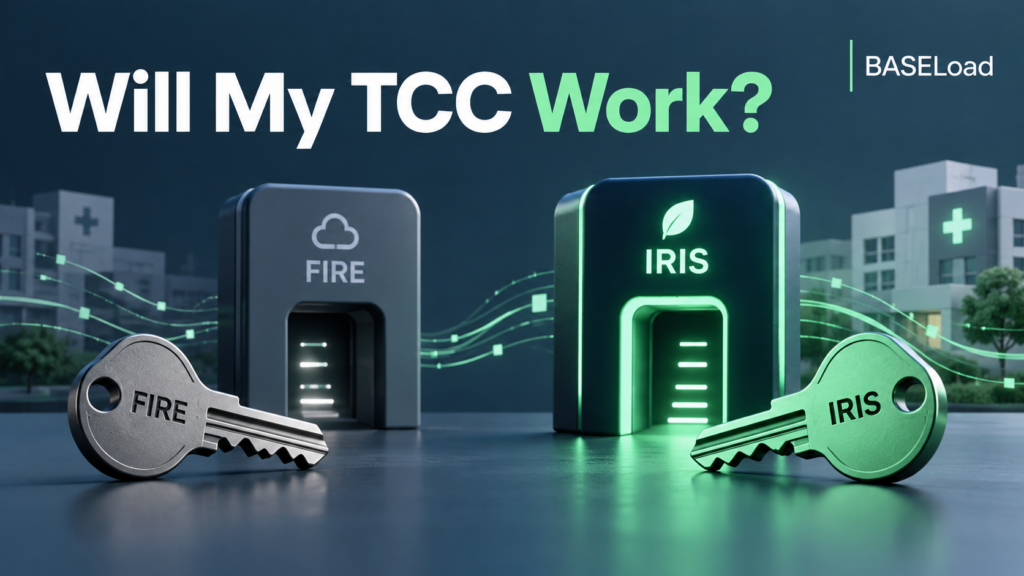
Determine whether filing will occur through the IRIS Taxpayer Portal, software, or a transmitter using Application to Application. Confirm authorization, operator access, supported forms, and the handoff format. The IRS IRIS overview describes the channels. The service agreement should explain which party owns each step of your chosen arrangement.
BASELoad has received official IRS production approval for the IRIS environment. Live data submissions and response-file testing are planned for January 2027. That update supports a preparation discussion, but your own engagement still needs an agreed scope, timeline, and division of responsibilities. Ask what evidence your team will receive at each milestone.
6. Rehearse the release and response process
Use a representative test population to check the path from source extract to approved filing input. Include difficult cases, not only routine records. Compare counts and totals at each stage and investigate differences. Record which version passed review so a later export is not mistaken for the tested one.
Assign an owner to monitor submission responses and escalate unresolved outcomes. Define how the team distinguishes a transmission receipt from the return’s disposition. If a vendor operates the system, specify when and how it will supply the evidence. A process that ends at “file sent” leaves important follow-up work unowned.
7. Coordinate recipient delivery and support
Recipient statements and IRS filing require separate planning. Confirm addresses, approved delivery methods, applicable consent requirements, and the form-specific calendar. Make sure the delivery population and filing population reflect the same approved decisions. Late changes should trigger a controlled review of both workstreams.
Prepare the support team for questions about names, amounts, and corrections. Provide a secure way to connect an inquiry to its source records and route it to the right reviewer. Clear ownership reduces repeated requests to the provider and prevents unsupported changes made solely to close a support ticket.
8. Review exceptions with decision-makers
A readiness meeting should focus on unresolved cases, their age, their impact, and the next decision. Reporting that ninety-nine percent of records are complete may conceal a small group of cases blocking release. Give each blocked item an accountable owner and a realistic resolution date.
For example, an illustrative health plan may finish the technical export while two payer-entity questions remain open. The correct next step is a tax and legal decision, not another software test. A useful checklist exposes that dependency and directs attention to the people who can resolve it.
Make health plan payer tax reporting repeatable
After filing, review the causes of notices, corrections, returned mail, and manual work. Feed those findings into provider intake and source-system controls. The next reporting cycle should benefit from the evidence gathered during the current one. Otherwise, the organization repeats the same cleanup under a new deadline.
Use BASELoad’s IRIS Resource Hub to support the planning conversation, and contact BASELoad to discuss data preparation and outreach needs. This checklist is operational guidance; your tax professionals should determine the specific federal and state requirements that apply to your organization and payment arrangements.