

Changes in IRS 1099 reporting affect more than the software that sends your file. For healthcare payers preparing 2026 information returns, the work includes reviewing payment thresholds, confirming the correct reporting entity, preparing for IRIS, and making sure provider tax information reaches the filing system accurately. These changes touch tax, finance, claims operations, provider relations, and technology teams at the same time.
The most useful starting point is to separate three questions: which payments must be reported, which system will receive the return, and which records support the information being submitted. A change to one does not automatically answer the others. This guide explains the key developments and offers a practical implementation plan for health plans and third-party administrators.
What is changing in IRS 1099 reporting?
Two important developments deserve attention. For payments made in 2026, the reporting threshold for certain payments under sections 6041 and 6041A increased to $2,000. Separately, the IRS is retiring FIRE and transitioning its supported information returns to IRIS for the 2027 filing season. The IRS information-return guidance and official FIRE transition announcement explain these changes.
Do not apply the new dollar figure to every Form 1099 box. Different payment categories can have different thresholds and exceptions, and reporting can still be required when backup withholding occurs. Also distinguish payments made during 2026 from a late or corrected return for an earlier year. Your reporting configuration should retain the rules for each tax year rather than overwrite historical settings.
Start with a tax-year-specific payment inventory
Create an inventory of payment streams before changing the export. Include claims payments, professional services, administrative vendors, legal payments, and other categories handled by your organization. For each stream, identify the payer entity, source system, responsible reviewer, applicable form and box, and the rule used to determine reportability. Have your tax owner approve the treatment of uncertain items.
A simple configuration change can miss records spread across several systems. A provider may receive payments under different internal IDs while the reporting obligation concerns the same tax recipient. Aggregate using the approved reporting identity and payer relationship before evaluating the applicable threshold. Keep operational provider records intact; tax reporting does not require erasing meaningful contract or location distinctions.
Use a comparison report to explain the effect of the new rules. Show which records would have been included under the prior configuration and which belong in the current-year population. Investigate unexpected differences rather than assuming every reduction is correct. A documented comparison gives finance and compliance a concrete basis for approving the change.
Plan around the actual FIRE retirement milestones
The IRS announcement identifies November 19, 2026, at 3 p.m. Eastern as the last day to file through FIRE. It also lists earlier cutoffs for testing and application changes. Those system milestones are separate from the due date for a particular information return. Waiting until January to determine your filing channel creates an avoidable dependency at the busiest point of the process.
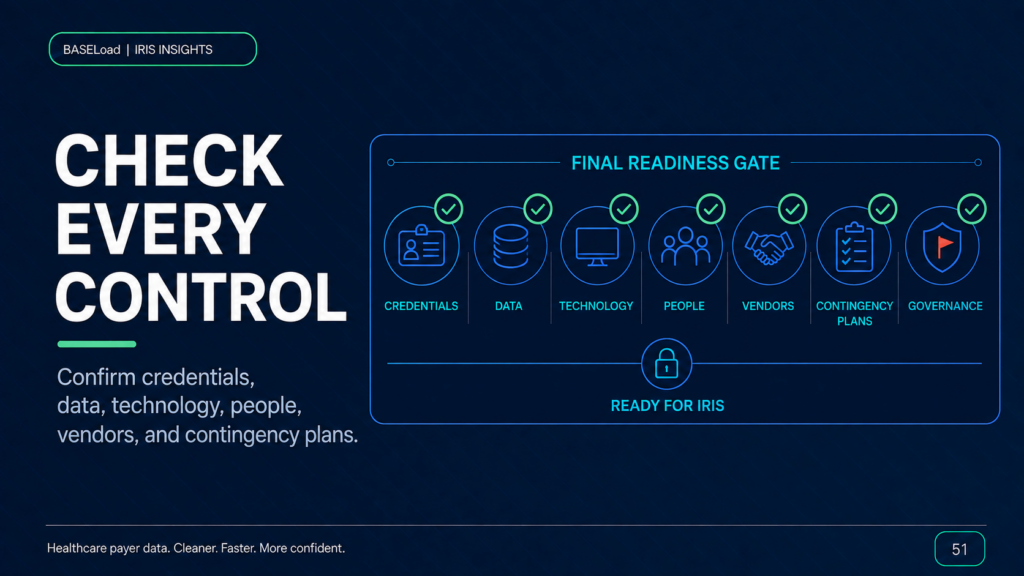
Choose the intended route: the IRIS Taxpayer Portal or an Application to Application arrangement through software or a transmitter. Confirm who operates it, which organization supplies the necessary authorization, and who receives the responses. A file that worked in FIRE should not be assumed to meet IRIS requirements. Test the selected handoff using current specifications and the appropriate testing process.
Review provider tax identity before final amounts arrive
Many preparation tasks do not depend on year-end payment totals. Identify missing W-9 documentation, conflicting legal names, incomplete tax IDs, and questionable delivery addresses now. Assign each exception to an owner and record the evidence needed to resolve it. This prevents the final extract from becoming the first time anyone discovers a difficult provider record.
Separate a provider’s practice name, rendering identity, billing identity, and tax recipient. They may be related without being interchangeable. An NPI helps identify a healthcare provider, but it does not replace the taxpayer identification number required for tax reporting. When records disagree, use a controlled review process instead of choosing whichever name looks most familiar to the claims team.
BASELoad’s 1099 Corrections and W-9 Corrections services support this preparation work. Its published W-9 service includes provider outreach and collection, with portal visibility into progress. Discuss the scope of your data issues and the output your filing team needs before beginning an engagement.
Update the operating process as well as the software
Write a short release checklist covering population approval, control totals, issuer identity, tax year, recipient data, and file version. Give one person responsibility for authorizing the final handoff, with an identified backup. If the provider master changes after approval, record whether the change requires a new export or belongs in a later correction process.
Keep recipient delivery on the calendar. Sending information to the IRS and furnishing a statement to the recipient are separate obligations. Your tax owner should confirm the form-specific deadlines and delivery requirements. The IRS general instructions for information returns are a useful reference when building that calendar.
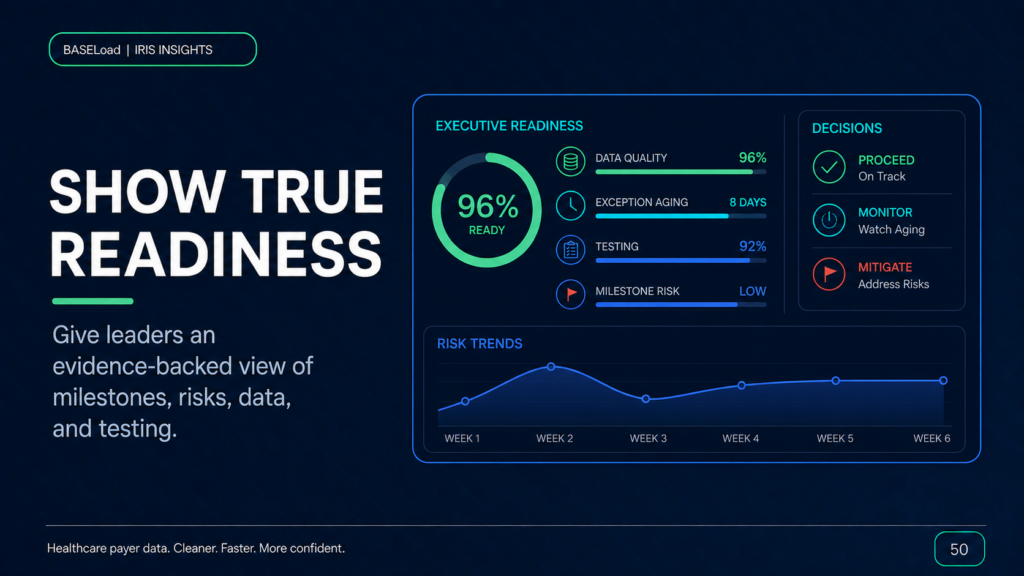
Assign someone to monitor submission responses. An upload confirmation, a vendor receipt, and the final disposition of a return are different records. Your process should identify outstanding responses, rejected submissions, and records that need further attention. Save the evidence in a location that another authorized team member can find without relying on the original operator’s inbox.
A practical change-management example
Consider an illustrative health plan with two claims systems and one accounts-payable platform. Its first task is to map each source to the correct payer entity and payment category. Next, it reviews provider identity conflicts across the systems. Only after those decisions does it apply the current-year reporting rules and prepare an approved output for the selected IRIS workflow.
The team tests a small representative population containing routine records and known exceptions. It compares totals at extraction, transformation, and submission preparation. A discrepancy produces a documented investigation, not an unexplained manual adjustment. This rehearsal exposes mapping and ownership problems while there is still time to correct the process.
Questions healthcare payers are asking
Does a new reporting threshold eliminate the need for W-9 collection?
No. A threshold is one component of reportability. A reliable provider tax-information process still helps the organization classify recipients, aggregate payments, address withholding requirements, and respond when circumstances change. Ask your tax owner to define collection requirements for your actual payment relationships.
Does IRIS approval mean every provider record is correct?
No. Authorization to use a filing environment and accuracy of the underlying data are separate issues. BASELoad has received official IRS production approval for the IRIS environment. Live data submissions and response-file testing are planned for January 2027; that planned work should not be confused with completed production submissions.
What should our team do first?
Name the reporting owner, document the affected payment streams, and confirm the filing channel. Then measure unresolved provider-data exceptions and set a preparation schedule. Visit the IRIS Resource Hub for the readiness guide, or contact BASELoad to discuss provider-data preparation. This article provides general education; apply current IRS instructions and your tax advisers’ guidance to your circumstances.