


Data Integrity in Healthcare: Why Clean Data is Critical for Payers

In the fast-paced world of healthcare, data integrity is more than just a technical concern—it’s a business necessity. For healthcare payers, ensuring that data is accurate, consistent, and complete is crucial for efficient claims processing, regulatory compliance, and cost management. Without proper data optimization, payers risk operational inefficiencies, compliance challenges, and even financial penalties.
What is Data Integrity in Healthcare?
Data integrity refers to the accuracy, reliability, and consistency of healthcare data throughout its lifecycle. In the context of healthcare payers, this means ensuring that patient records, provider details, and payment information are properly maintained and free from errors or inconsistencies.
When data integrity is compromised, errors can cascade through the system, leading to incorrect inaccurate reporting, delayed payments, and compliance issues. Poor data quality can also increase administrative burdens, requiring manual interventions that slow down operations and drive up costs.
The Importance of Data Integrity for Healthcare Payers
1. Ensuring Regulatory Compliance and Avoiding Penalties
Errors in healthcare data don’t just affect internal operations—they also impact providers and members. Inaccurate provider information can result in incorrect payments, disputes, and delays in care delivery. Similarly, members may face billing errors due to incorrect insurance details.
Investing in data optimization helps payers create a seamless experience for both providers and members by ensuring accurate payment processing and timely financial transactions.
2. Improving Provider and Member Satisfaction
Errors in healthcare data don’t just affect internal operations—they also impact providers and members. Inaccurate provider information can result in incorrect payments, disputes, and delays in care delivery. Similarly, members may face billing errors due to incorrect insurance details.
Investing in data optimization helps payers create a seamless experience for both providers and members by ensuring accurate payment processing and timely financial transactions.
3. Reducing Administrative Costs
Manual corrections, data reconciliation, and investigating errors take up valuable time and resources. Poor data integrity leads to increased administrative burdens, forcing payers to allocate additional staff and technology to resolve issues that could have been prevented.
By implementing automated data validation, deduplication, and real-time error detection, payers can significantly cut down on operational costs while improving overall efficiency.
How Healthcare Payers Can Achieve Data Optimization
To maintain high data integrity, healthcare payers should adopt a proactive approach to data optimization. Here’s how:
- Implement Real-Time Validation – Ensure accuracy at the point of data entry by integrating validation protocols into your systems.
- Standardize Data Across Systems – Unify data formats and eliminate duplication to create a single source of truth.
- Regularly Audit Data Quality – Conduct routine assessments to catch errors early and refine processes.
- Work with BASELoad – Contact us to simplify data integrity and optimize your database without the hassle.
How BASELoad Helps Payers Maintain Data Integrity
BASELoad specializes in healthcare data solutions that ensure data integrity, compliance, and operational efficiency. Our services include:
✔ Data optimization to enhance payment accuracy and prevent processing errors.
✔ System conversions to transition payers away from legacy platforms.
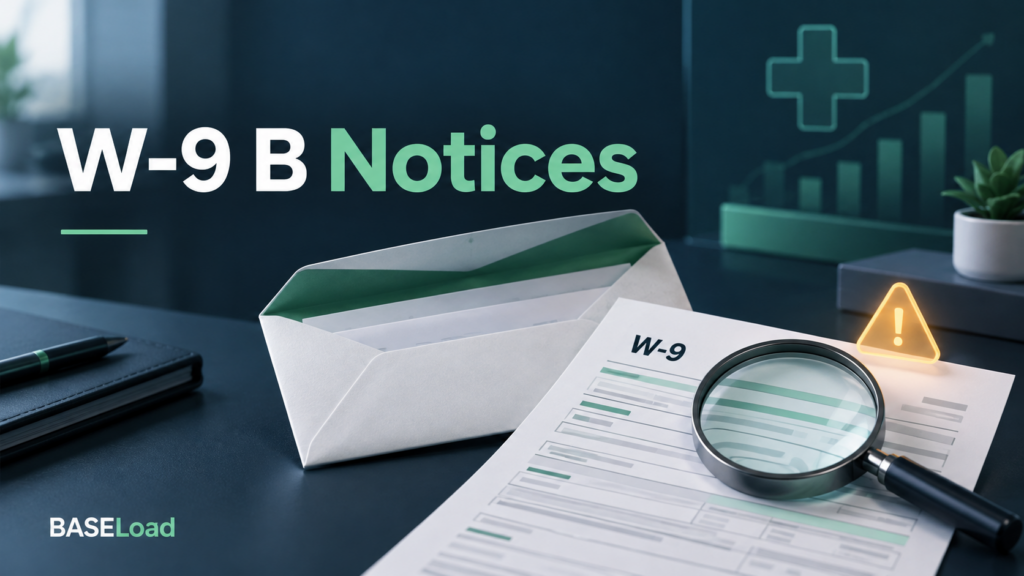
✔ 1099 corrections to help payers avoid IRS penalties, including those from CP2100 reports.
✔ Auto adjudication to streamline claims processing while reducing administrative costs.
With BASELoad’s data management expertise, healthcare payers can minimize errors, improve compliance, and optimize their entire data ecosystem.
Ready to enhance your data integrity? Contact BASELoad today at (704) 424-9889 or email [email protected] to learn how we can help you achieve clean, optimized data that powers better decision-making and operational efficiency.